Comfort
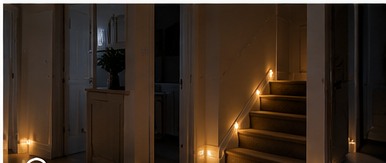
Lights that know it's 3am
The same movement can produce normal lighting during the day and a very low level at night.
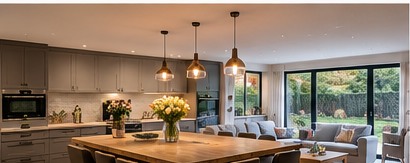
A real family house where heating, lighting, energy, appliances, blinds, security and routines have gradually learned to work together.
The same movement can produce normal lighting during the day and a very low level at night.
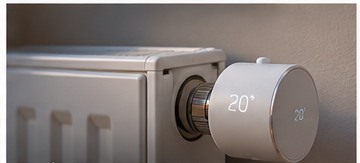
Individual rooms can call for heat independently, so the central system responds to real demand.

Power use and humidity can determine whether clothes are still drying and stop equipment when the job is done.

A household schedule can coordinate blinds, lights and music into one wake-up routine.
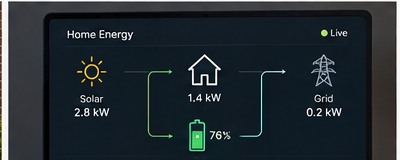
Existing energy data can reveal when an appliance behaves abnormally and trigger a useful warning.
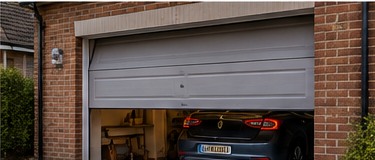
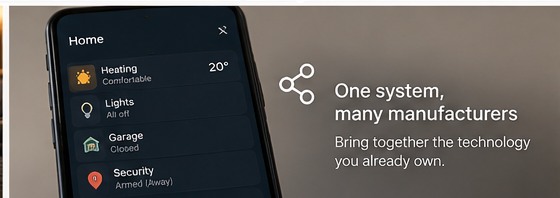
Garage doors, alarms and other existing equipment can often be monitored and controlled without wholesale replacement.
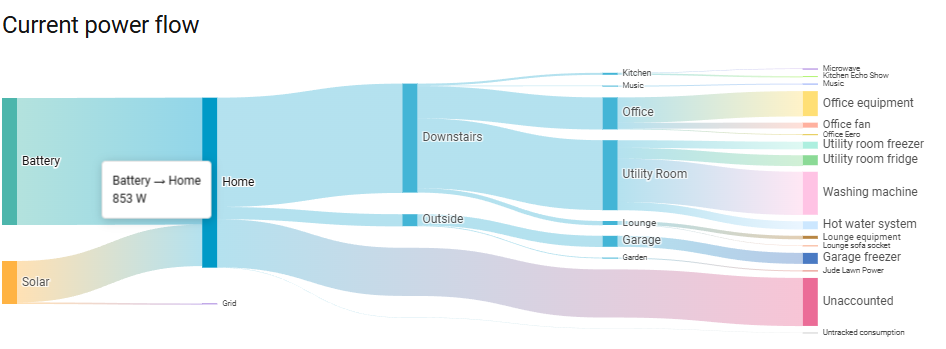
A smart home can generate thousands of readings every day. In the test house, live power monitoring breaks consumption down by area and device and leaves an unaccounted figure for everything we cannot directly measure.
That remaining signal has patterns of its own. AI can help interpret excursions, recognise recurring behaviour and turn raw sensor history into observations that are useful to a person. The same approach can describe camera events in plain English and combine information from several systems when something unusual happens.
Control remains predictable: AI helps interpret what the house is seeing, while conventional automation carries out the reliable actions.
Green track. Yellow flag. Safety car. Virtual safety car. Red flag. Not every automation needs a business case.

Heating, solar, battery storage, appliances, lighting, blinds, security, media, phones and other systems can work together without expecting the household to manage each one separately.